Kalven

The Daily Compositions.

Six documented areas of practice that together constitute the Kalven editorial framework. Each is regarded as a long-form discipline — observable, measurable, and amendable through consistent attention.

Sleep Nutrition Strength Stress Hydration Grooming
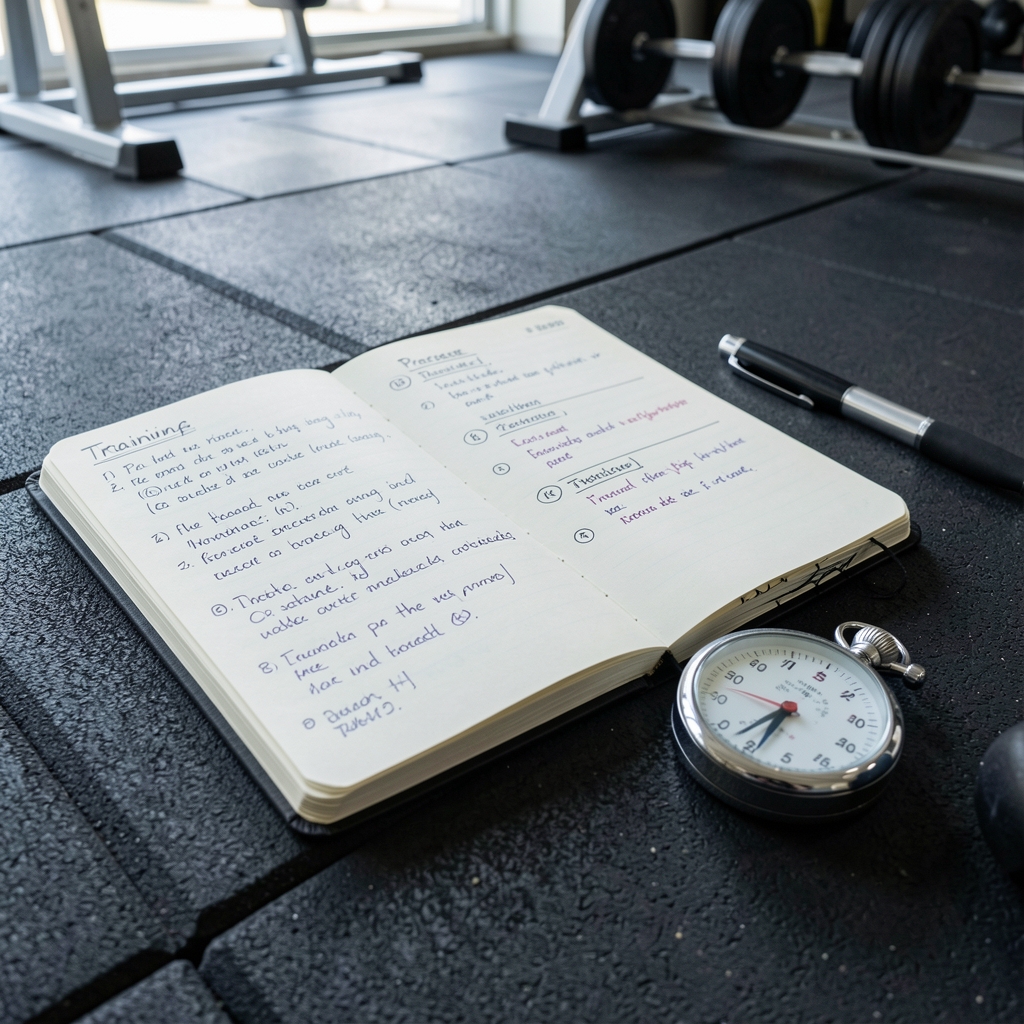
Flat-lay arrangement of a training log, a water bottle, a resistance band, a small glass container of seeds, and a grooming kit on a dark slate surface with directional studio lighting

Sleep Quality Architecture

The journal's sleep coverage begins from a particular premise: that rest is not a passive absence of wakefulness but an active, structured biological process. Published research in chronobiology informs how Kalven approaches the relationship between sleep timing, sleep duration, and the recovery signals that govern physical and cognitive readiness.

Practical coverage includes evening wind-down frameworks, assessment of environmental factors including ambient temperature and light exposure, and the Indonesian context of managing rest in a hot-climate urban environment. The journal notes that men in physically demanding work cycles, whether training-heavy or sedentary-intensive, exhibit distinct sleep pressure patterns — and addresses both cohorts separately.

Coverage Focus
  • Sleep cycle rhythm
  • Wind-down methodology
  • Environmental calibration
  • Post-training recovery windows
Source Standard
  • Published sleep science
  • Independent verification
  • Field observations
  • Practitioner commentary
Minimalist bedroom at night in a Jakarta apartment with a dim reading lamp, a glass of water on the nightstand, and dark curtains drawn, conveying calm pre-sleep atmosphere
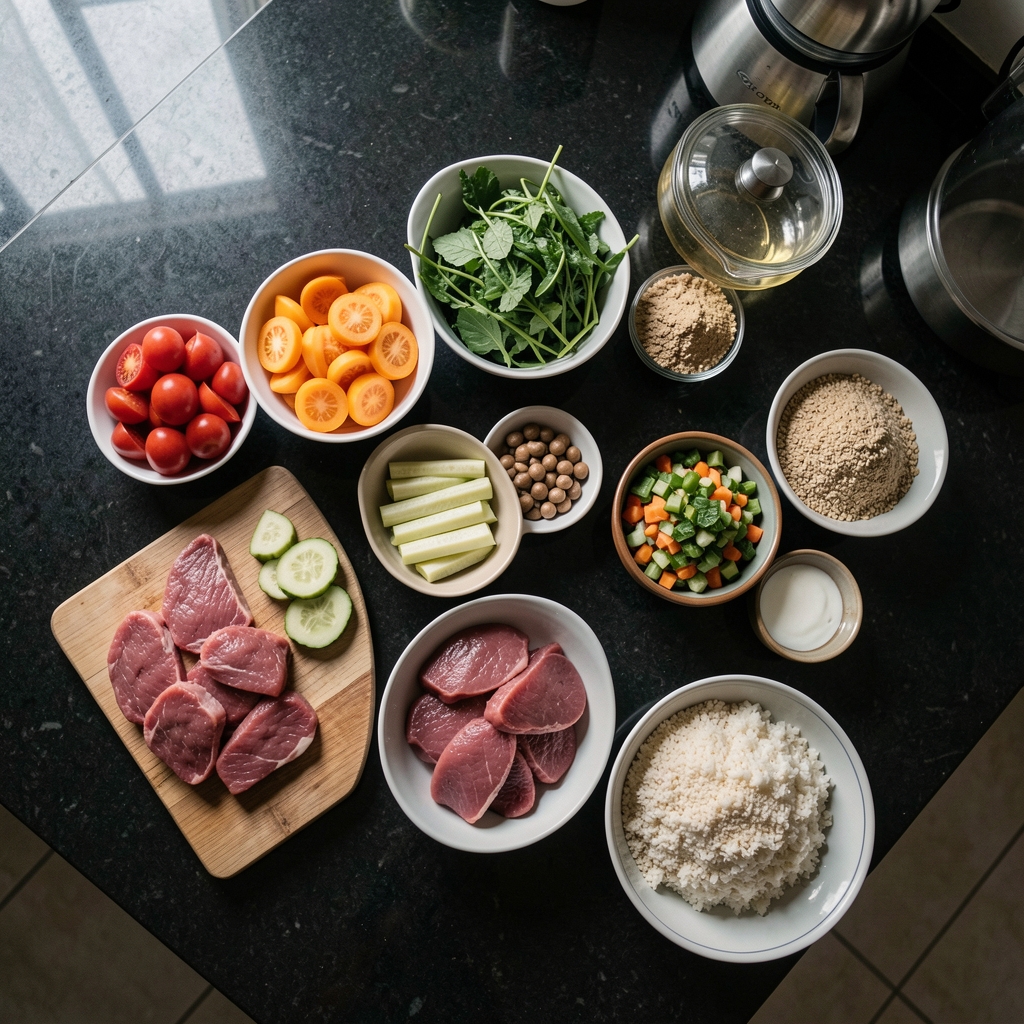
Overhead shot of a balanced Indonesian meal with brown rice, grilled fish, tempeh, steamed greens, and sliced cucumber arranged on a dark ceramic plate

Balanced Nutrition Guidance

Nutritional coverage at Kalven operates from the principle that whole-food sourcing, meal structure, and portion awareness represent a more durable framework than any single dietary approach. The journal does not advocate for specific regimes. It documents the nutritional science literature, translates it into practical language, and contextualises it against the realities of Indonesian cuisine and urban eating patterns.

Coverage includes protein intake patterns across activity levels, the role of dietary fibre in digestive regularity, hydration's intersection with nutrition, and the lean eating principle — which the journal defines as the discipline of eating in appropriate proportion to energy demand, without the anxiety-producing language of restriction.

Lean Eating Practice Whole-Food Sourcing Portion Awareness Meal Structure Mindful Eating

Strength and Conditioning

The journal's approach to strength work is grounded in progressive loading principles from published sports science — but resists the performance-maximisation framing common to much fitness media. The premise is different: strength training is documented here as a long-arc health practice, not a competitive pursuit. Body composition awareness, functional fitness, and endurance capacity are regarded as interconnected indicators of physical resilience.

Weekend outdoor fitness coverage acknowledges Jakarta's expanding trail and urban-fitness culture. Morning routines are documented with attention to both time constraints and physiological readiness — considering that many readers begin training in the pre-dawn hours before professional commitments begin. Each approach is assessed against the evidence for training at different times of day in tropical climates.

3x
Reviewed
Weekly
48+
Documented
Approaches
6yr
Field
Research
Man performing a bodyweight pull-up on outdoor training bars in a Jakarta park at dawn, strong silhouette against a pale orange sky, focused and controlled posture
Indonesian man seated in a quiet posture at a minimalist desk by an open window overlooking a garden, eyes closed, sunlight on his face, representing measured stillness

Stress Management Methods

Kalven approaches stress not as a condition to eliminate but as a signal to interpret. The editorial framework draws from published occupational psychology research, cognitive reframing literature, and the growing field of applied breathing science to provide men with a working vocabulary for recognising, categorising, and responding to pressure — whether professional, social, or physical in origin.

Coverage includes attention to the urban professional's experience of sustained workload — a pattern common in Jakarta's business districts — and the physiological markers that indicate when rest is more productive than continued output. Progress tracking for stress load is documented as an emerging practice, with particular attention to sleep quality and resting heart rate as accessible indicators.

Documented Approaches Include
  • Structured breathing frameworks assessed in published literature
  • Workload-to-recovery ratio monitoring for knowledge workers
  • Cognitive reframing approaches from occupational psychology
  • Environmental design for focus and sustained attention
05 — Hydration and Recovery

Hydration Rhythm Guide

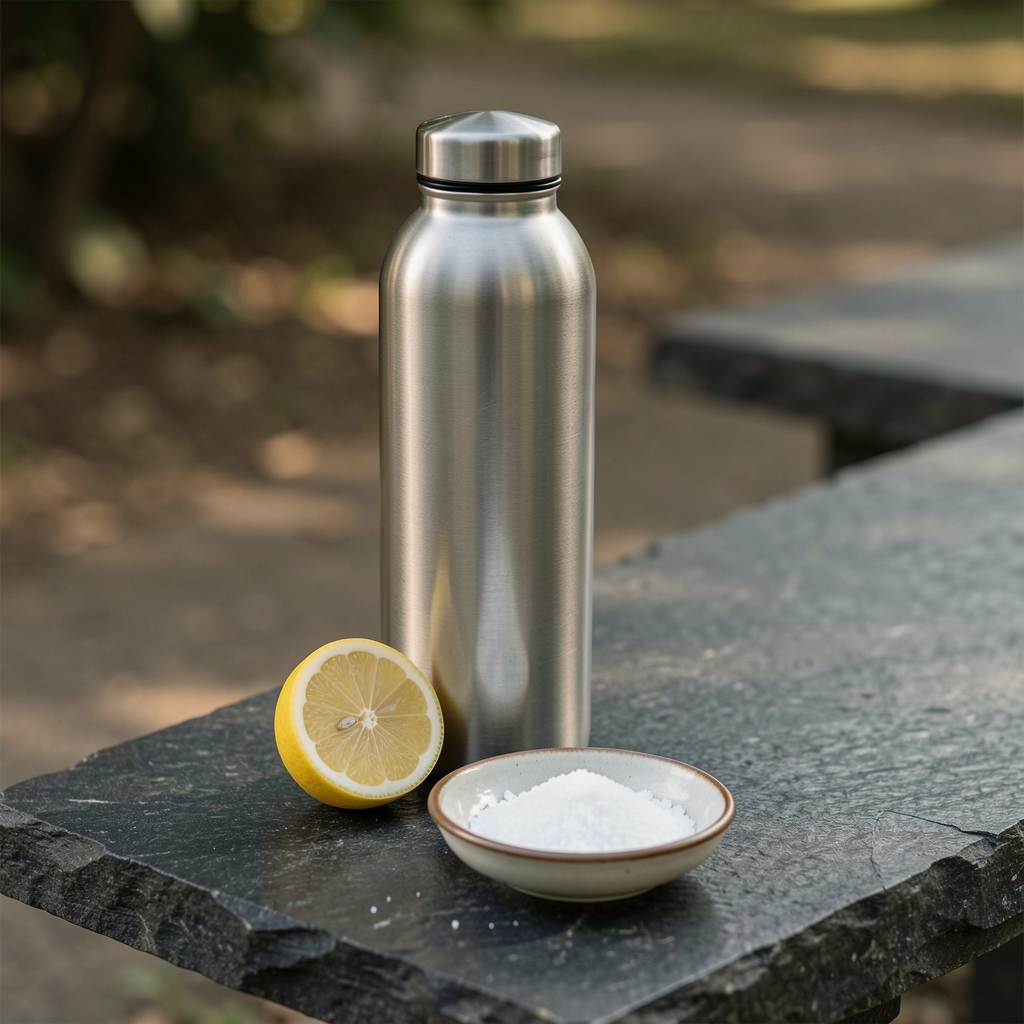
Hydration coverage documents the intersection of water intake volume, electrolyte balance, and recovery timing after exertion. Jakarta's tropical climate creates specific hydration demands that differ from those described in temperate-climate fitness literature — the journal addresses this directly, drawing on published research in heat physiology and sports science conducted in comparable environments.

Post-exertion recovery windows — the periods immediately following sustained physical output during which nutritional and hydration inputs have the greatest restorative effect — are documented with care. The journal cross-references its coverage with independently sourced sports-science literature to maintain labelling accuracy.

Close-up of a stainless steel water bottle, a sliced lemon, and a small ceramic dish of sea salt on a dark stone bench, representing structured hydration preparation
06 — Grooming and Self-Care

Everyday Polish

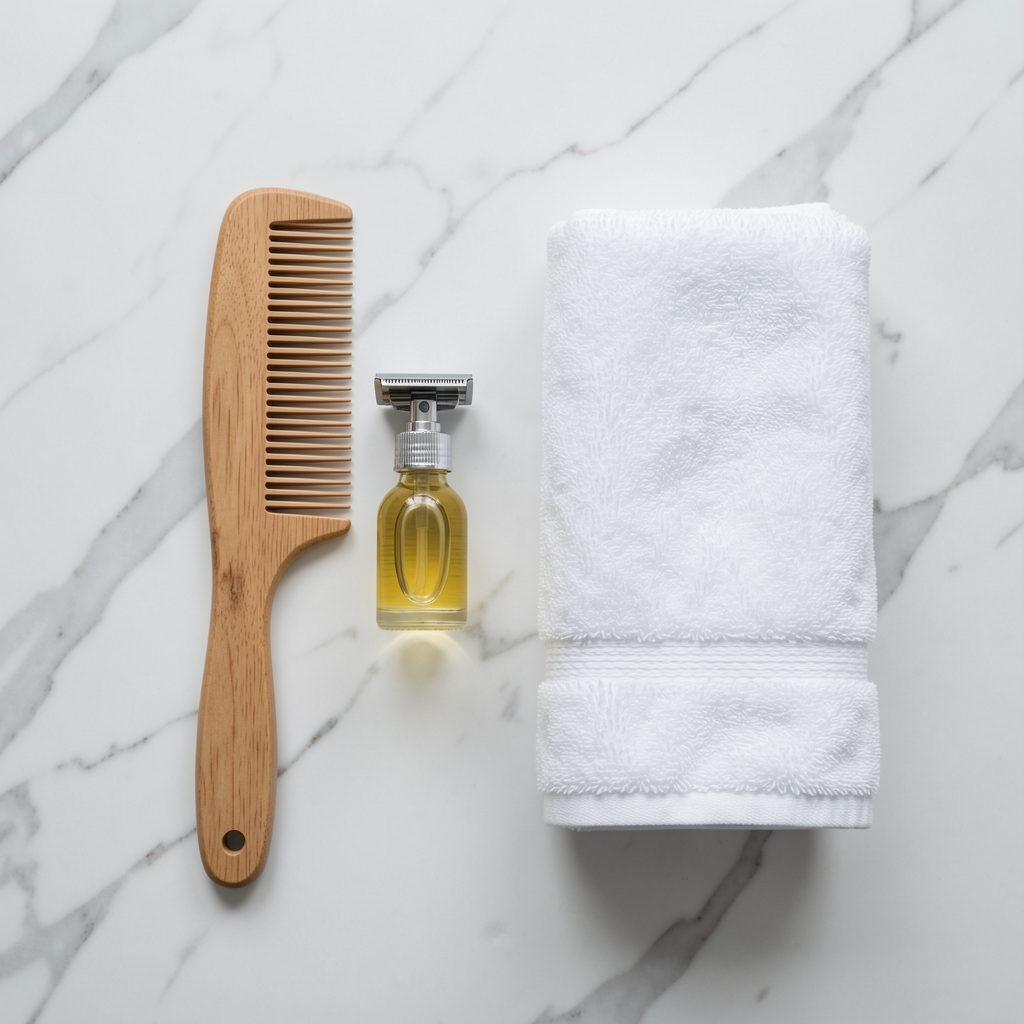
The journal's grooming coverage operates from the position that personal care is an extension of the discipline applied to nutrition and movement — not a separate vanity concern. Skincare basics in a humid tropical climate differ markedly from advice calibrated for northern European or North American environments. Kalven documents those differences and presents a practical framework for men in Indonesia specifically.

Coverage includes daily skincare essentials adapted for humidity, grooming routines for professional settings, wardrobe planning with a focus on seasonal transitions in a tropical climate, and the understated but well-documented relationship between personal presentation and self-reported confidence in professional contexts.

Organised grooming flat-lay on a white marble surface: a wooden comb, a small glass bottle of oil, a razor, and a folded white towel arranged with precision under clean diffused lighting

Frequently Asked

Kalven is written primarily for men between 25 and 50 who maintain an active interest in their physical and cognitive well-being, and who prefer substantive, sourced content over motivational marketing. The journal is particularly relevant to professional men in urban Indonesian environments navigating full schedules.

All editorial claims are traceable to identified published research, practitioner commentary, or clearly labelled field observation. The journal maintains an internal source log. Where published research is cited, the relevant study is named and described in context. Commercial sources are not used as primary references.

No. Kalven publishes frameworks, documented approaches, and evidence-informed perspectives. It does not provide bespoke individual plans. For guidance specific to individual circumstances and dietary requirements, we recommend speaking with a qualified wellness or nutrition professional.

The journal publishes on a weekly cycle, with longer-form editorial pieces released monthly. The production rhythm is deliberately measured — Kalven does not publish to fill a content calendar, but when the research and writing meet internal editorial standards.

The journal occasionally accepts guest perspectives from qualified wellness professionals and practitioners based in Indonesia. Contributions are subject to the same editorial review as internal content. Enquiries can be directed to the editorial address on the contact page.

No. Kalven operates without commercial affiliation, sponsorship arrangements, or advertising partnerships. The journal's independence is structural — its revenue model does not depend on any product or brand endorsement. This position is not advertised as a virtue; it is simply how the journal maintains its editorial integrity.

6
Core
Disciplines
320+
Published
Journal Entries
80+
Research
Sources Referenced
7+
Years of
Field Documentation

Understand the Methodology

The editorial process that sits behind these six disciplines follows a structured review and sourcing framework. Read about how content is created, verified, and revised.