An account of how Kalven research is gathered, assessed, contextualised, and ultimately committed to the record. The process is unglamorous. It involves library access, careful reading, and repeated revision. It is also, the journal believes, the only approach worth taking.
Each content cycle begins with an identification phase. The editorial team surveys recently published research across target disciplines — sports science, nutritional biochemistry, sleep physiology, occupational psychology — and flags studies that meet the journal's inclusion criteria: peer-reviewed publication, clear methodology description, and relevance to the active Indonesian male reader.
Inclusion criteria are applied without regard for whether a study's findings are positive or null. Null results — studies that find no effect — are regarded with equal editorial interest when they correct a commonly held belief in wellness media.
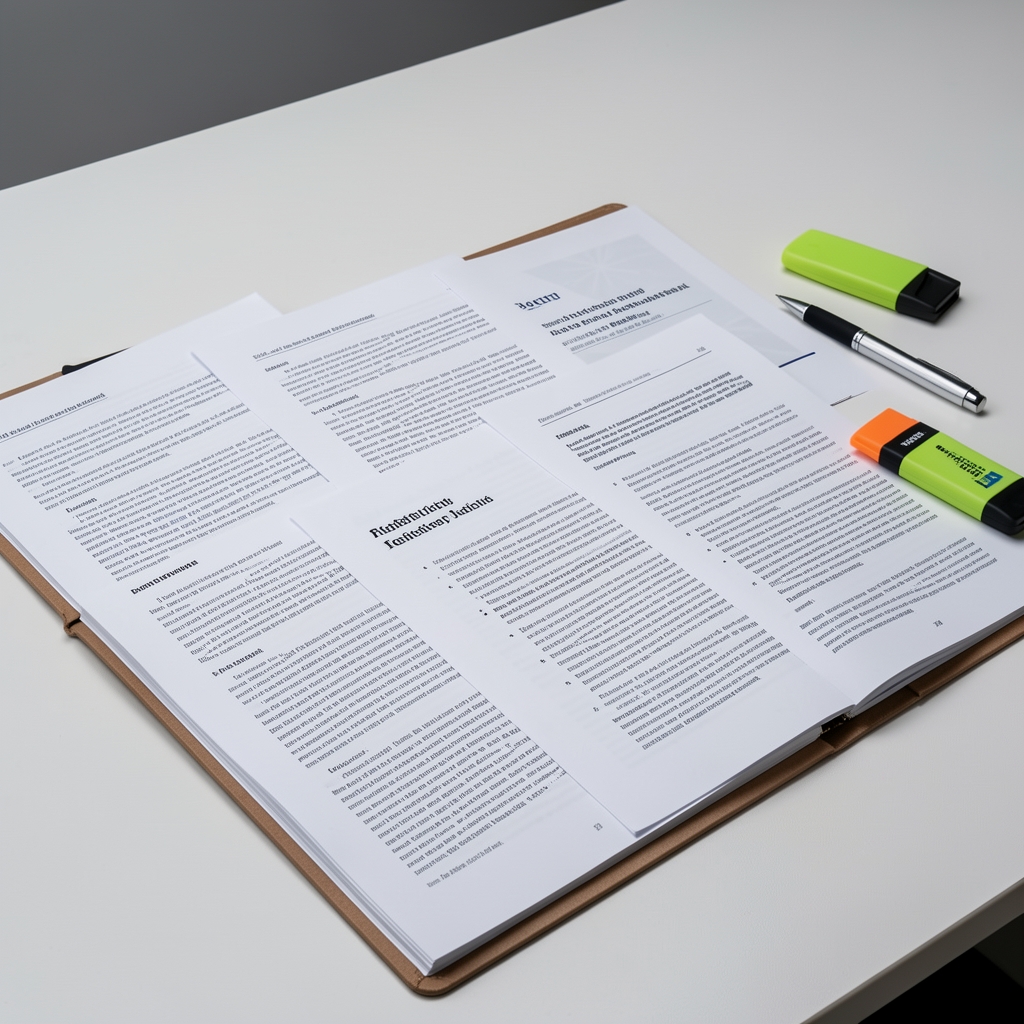
Identified studies are assessed using a structured evaluation: publication journal standing, sample size, methodology transparency, and conflict-of-interest disclosure. Industry-funded research is included but disclosed. Studies with undisclosed funding are flagged in source notes and regarded with additional scepticism.
Where a study's findings conflict with other published research, the conflict is reported — not resolved editorially. The journal's position is that presenting unresolved scientific debate accurately serves readers better than manufacturing false consensus.

Research findings are placed into practical context for the journal's readership. This is the step most likely to introduce editorial bias — the journal acknowledges this and addresses it through an internal review that separates the summary of findings from the practical interpretation. The two are presented distinctly in published content.
Indonesian context is applied at this stage: tropical climate considerations, local dietary patterns, urban lifestyle rhythms, and the specific demands of professional life in Jakarta's business culture are explicitly factored into how findings are translated into practical language.
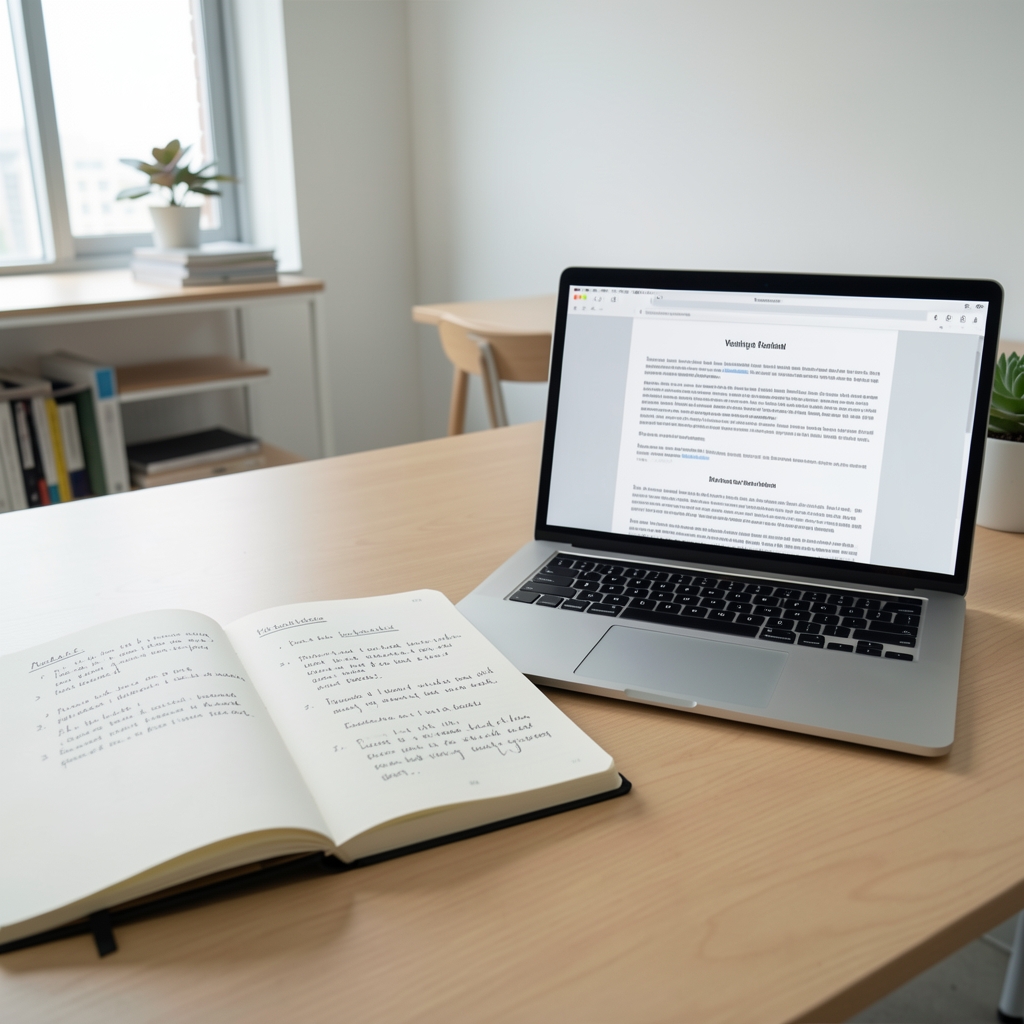
All content passes through a two-stage review before publication. The first stage is a factual accuracy check against the source documentation. The second is a stop-word review — an internal audit that identifies and removes any language that drifts toward urgency framing, performance marketing, or overstated claims.
Content that fails either review stage is returned for revision, not modified in-place. The revision record is maintained internally as part of the journal's commitment to transparency about its own process.

Published content is archived with its source documentation. Post-publication, the journal maintains a correction policy: if a published finding is subsequently contradicted by substantial new evidence, the entry is flagged and a correction note is appended. The original text is retained for transparency.
Kalven is an independent wellness resource focused on everyday nutrition and active lifestyle practices for men. The content is not affiliated with any governmental or institutional body.

The journal draws primarily from peer-reviewed publications in sports science, nutritional research, sleep physiology, and occupational wellness. Practitioner commentary is used when it adds contextual depth not available in published studies — but is clearly labelled as such.
Commercial research conducted by supplement or wellness-product companies is never used as a primary source. Where it is referenced for contrast or context, the commercial origin is disclosed explicitly in the text.
Journals in sports science, nutritional biochemistry, sleep research, and occupational health. Methodology sections reviewed before inclusion.
Expert observations from qualified wellness and nutrition professionals with disclosed backgrounds. Labelled as practitioner commentary throughout.
The founder's own documented practice records — clearly labelled as personal observation and never presented as generalised research findings.
Never used as a primary source. Referenced contextually only, with funding origin disclosed. Not used to support product claims.
Every claim points to an identified, documented source. Undocumented assertions do not pass this check.
A systematic pass for urgency language, overclaiming, and vocabulary that implies outcomes beyond documented scope.
Findings are verified as accurately reflected in practical context — ensuring summaries match the actual study scope.
Any commercial or personal conflict of interest in sources is disclosed to readers. No exception is made for trusted sources.
Confirmed that no content has been influenced by commercial arrangement, sponsorship, or external editorial directive.
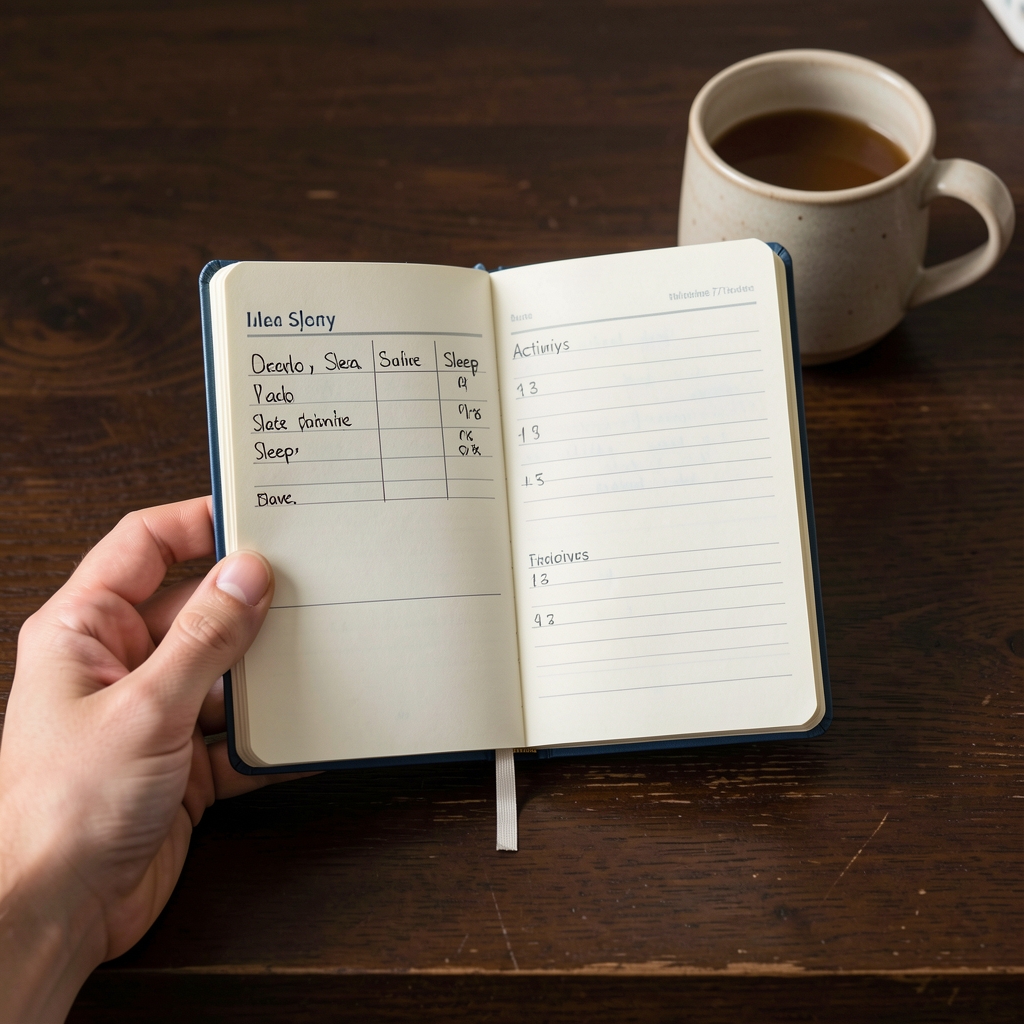
The journal approaches progress tracking as a discipline of observation, not a performance imperative. The published framework draws from published research in behavioural science and habit formation to document methods that sustain long-term engagement with wellness practice without creating the anxiety-loop that many tracking systems inadvertently introduce.
Practical coverage spans sleep quality journaling, resting heart rate monitoring as a recovery indicator, body composition awareness separated from weight-scale dependence, and workload logging for knowledge workers managing energy across professional and physical demands.
The journal's position on progress tracking is consistent: a measure that increases anxiety without improving decision-making is a net negative, regardless of its accuracy. The methods documented here are selected with that criterion explicitly in mind.
Kalven is an independent wellness resource focused on everyday nutrition and active lifestyle practices for men. The content is not affiliated with any governmental or institutional body.
Ingredient profiles referenced in journal content are selected based on published nutritional research and the documented history of their use in evidence-informed wellness practice. No specific products are endorsed or recommended.
We recommend speaking with a qualified wellness or nutrition professional before introducing any supplement to your daily routine, particularly if you have specific dietary requirements.
Where the published literature contains genuine disagreement, the journal presents the range of findings rather than selecting one to endorse. The editorial position is that accurate representation of uncertainty is more useful to readers than false resolution of scientific debate.
Yes. The journal runs annual reviews of published content against new research. Where a position has been substantially revised by subsequent evidence, a correction note is appended to the original entry and the revision is documented in the archive record.
The editorial process is led by a qualified nutrition and active lifestyle professional based in Jakarta, with a background in applied nutritional science and over seven years of documented independent research. Contributing commentary is supplied by vetted practitioners whose qualifications are reviewed before their input is included.
During contextualisation, all practical guidance is reviewed against Indonesia-specific variables: tropical climate conditions affecting hydration and exertion thresholds, local whole-food availability and dietary traditions, and the urban professional lifestyle patterns common in Jakarta. Western frameworks are referenced critically, not adopted without adjustment.
Yes. Source documentation requests can be directed to the editorial email address. The journal maintains an internal source log for all published content and can provide references for specific articles upon request, subject to the journal's correspondence response timeline.
Active content referenced in Kalven journal entries is selected based on published nutritional research and undergoes independent batch verification for quality and labelling accuracy. Sourcing prioritises documented suppliers whose facilities maintain food-grade processing standards.
Kalven is an independent wellness resource focused on everyday nutrition and active lifestyle practices for men. The content is not affiliated with any governmental or institutional body. No commercial arrangement influences editorial content.