Evidence-informed perspectives on daily performance, structured rest, and the measured balance between effort and recovery — written for men who approach well-being as a long-term discipline.

Structuring rest as a deliberate practice. This pillar examines sleep rhythm, environmental conditions, and the discipline of consistent wind-down patterns — evidence drawn from published sleep research and practical field notes.
Read More →Whole-food sourcing, lean eating principles, and portion awareness. A practical compendium for men navigating balanced nutrition across demanding schedules — without resorting to restrictive regimes or marketing-driven shortcuts.
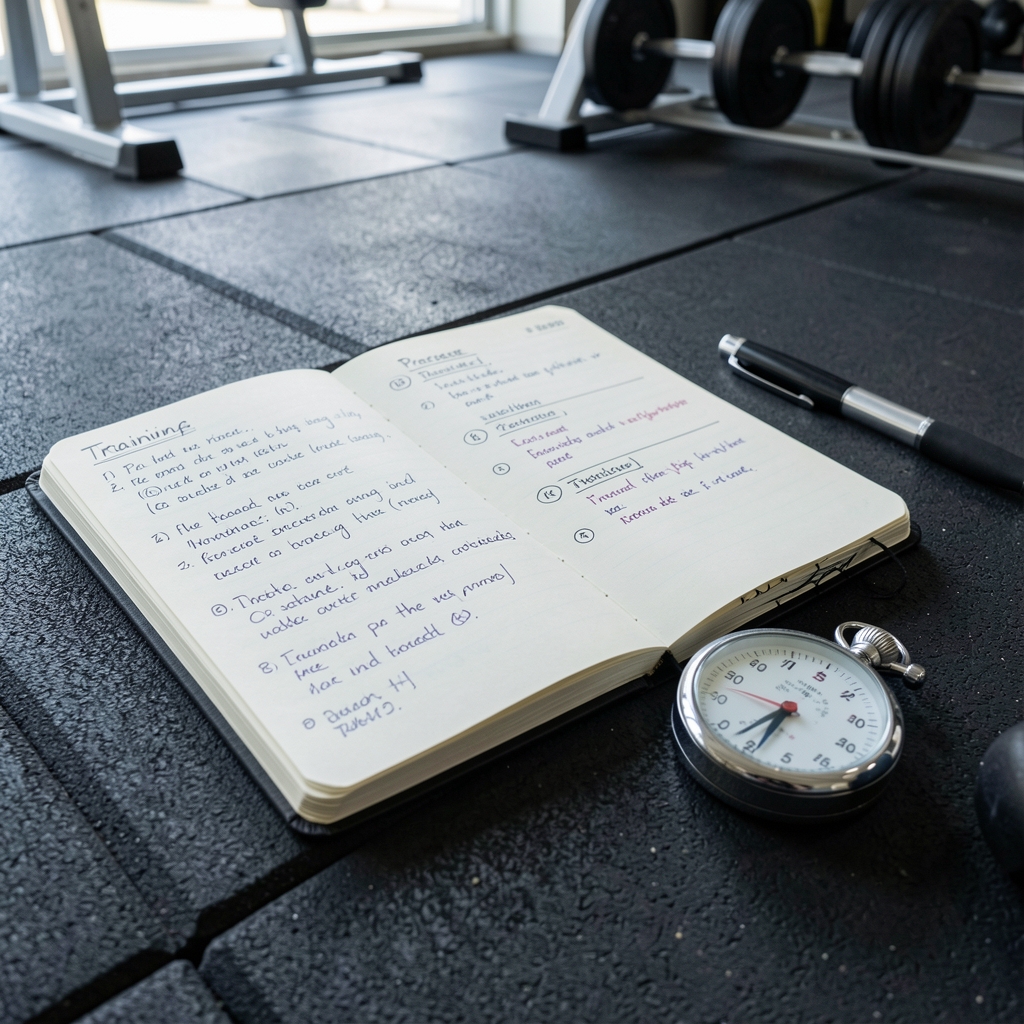
Read More →Building and sustaining physical capacity through methodical progression. This section covers resistance work, endurance pacing, body composition awareness, and the long-arc thinking that separates durable fitness from short-cycle exhaustion.
Read More →An editorial review of peer-reviewed approaches to managing daily pressure. The journal documents breathing frameworks, cognitive reframing methods, and the quiet discipline of identifying when workload exceeds sustainable capacity.
Read More →Hydration is not a passive habit but a structured input. This section documents water intake frameworks, electrolyte balance, and post-exertion recovery windows — assessed through independently sourced sports-science literature.
Read More →Personal presentation as part of a composed daily practice. Coverage spans skincare basics, grooming essentials, wardrobe planning, and the understated confidence that comes from consistent personal care — noted without the vanity industry's volume.
Read More →There is a particular quality of attention that distinguishes a man who has learned to read his body's signals from one still governed by momentum alone. The former pauses not from weakness but from a kind of studied patience — the understanding that intensity without interval eventually reduces itself to noise.
Kalven was built around this premise. The journal draws on a carefully curated selection of published research in nutritional science, sports physiology, and behavioural psychology. Entries are written to reflect what the evidence actually says — stripped of the promotional register that dominates most wellness content, and presented instead with the restraint of a practitioner who values precision over persuasion.
The four core pillars — movement, nutrition, rest, and personal discipline — are regarded not as isolated habits but as interdependent systems. A shift in sleep quality changes nutritional patterns. A change in training volume affects stress capacity. The journal maps these relationships over time, building a reference that grows more useful with each returning reader.
About the Journal →
"The compendium does not offer shortcuts. It offers context. And context, over time, becomes the most practical resource a man can hold."
Published research, peer-reviewed journals, and verified practitioner literature form the foundation of every entry.
Each piece passes a structured editorial review for factual accuracy, language precision, and alignment with the journal's established register.
Content is written to serve the long-term reader, not the algorithm. Sentences are built for clarity. Arguments rest on evidence, not assertion.
The journal revises entries when the underlying evidence base shifts. No article is regarded as permanently settled; the research landscape moves, and so does Kalven.
A selection of the most common questions from Kalven readers, answered in the journal's characteristic register — direct, unhurried, grounded in evidence.
Submit a Question →Kalven operates without advertising relationships or sponsored content. Every entry is written to the evidence, and the editorial standard prohibits language that makes exaggerated claims or bypasses what the research actually supports. The journal exists for men who prefer to read carefully rather than be sold to quickly.
The journal is written for the attentive general reader rather than the specialist. While some entries engage with detailed nutritional research or training periodisation frameworks, the writing is always anchored to practical relevance. Whether a reader is beginning a structured morning routine or refining a long-standing one, the material holds value at both registers.
Sources are drawn primarily from peer-reviewed nutritional science, exercise physiology literature, and qualified wellness professionals with documented publication records. Grey literature and popular wellness platforms are not used as primary sources. Where consensus is uncertain, that uncertainty is named rather than smoothed over.
The editorial calendar runs on a deliberate pace — typically four to six substantial entries per month. Volume is not the measure. Each piece is held until it is ready in both content and language. Readers who prefer depth over frequency will find the cadence comfortable.
Yes. Reader-suggested topics that fall within the journal's established scope — active lifestyle, daily performance habits, nutritional balance, recovery methods, and personal discipline — are welcomed. The editorial team reviews all submissions and publishes responses on a quarterly basis.
An editorial review of why methodical load increases produce more durable outcomes than the accelerated timelines promoted in mainstream fitness content.
Examining the difference between prescriptive eating frameworks and the quieter, more sustainable practice of building habitual nutritional structure.
A close reading of current sports-science literature on optimal rest-day activity, comparing passive and active recovery approaches across different training volumes.